Start with a line from the base to the work
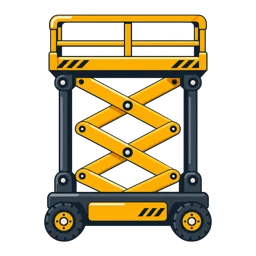
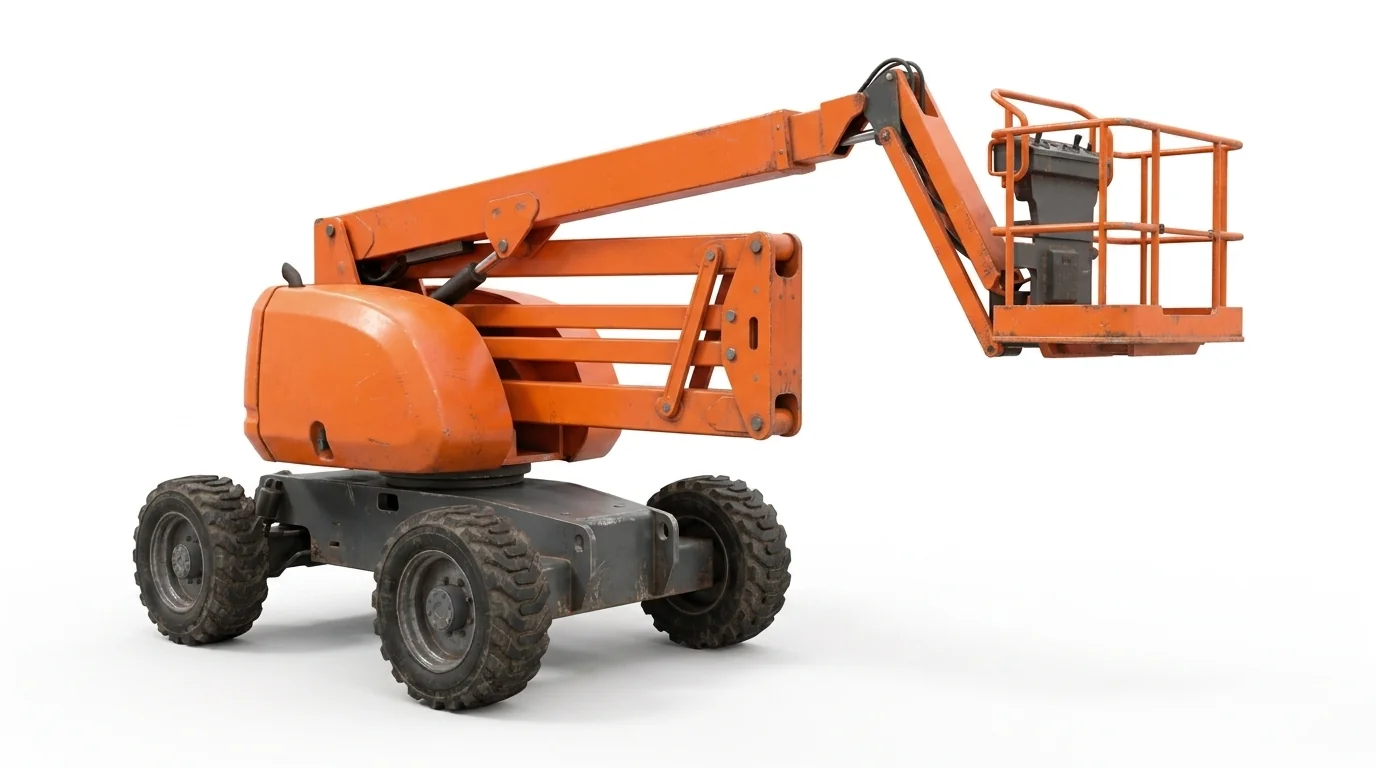
Imagine where the machine can practically sit. If the platform can rise directly under the task, a scissor lift may be the best starting point. If the platform needs to travel around an obstruction or reach beyond the base position, compare boom lifts. If the job is moving material instead of people, a forklift or telehandler may be the relevant discussion.
A simple Amarillo access map
Indoor maintenance and fit-outs
Measured, finished-floor routes often point toward electric scissor lifts or compact vertical mast lifts. Look at aisles, doors, floor condition, ceiling obstructions, and the number of people and tools on the platform.
Exterior work directly below the task
Where the machine can be positioned below the work on a prepared exterior area, rough-terrain scissor lifts may be worth comparing. Ground condition and wind exposure remain part of the plan.
Offset or obstructed work
A boom lift becomes more relevant when a facade, roof edge, equipment line, setback, or structural member keeps the machine from sitting directly under the task.
Four measurements that change the answer
- Task height: the real elevation of the work, not just a ceiling or building height.
- Horizontal offset: how far the work sits from the practical machine position.
- Route dimensions: the narrowest door, gate, aisle, turn, and overhead point.
- Surface: the floor or ground along the entire travel path.
Do not combine different access problems into one vague request
A facility team may have overhead lighting in an aisle, exterior signage along a facade, and pallet movement at a loading area. Those are three different equipment conversations. Separating the tasks helps avoid choosing one category for the wrong reason.
Aerial-lift questions
Is a scissor lift an aerial lift?
Yes. It is one category of elevated access. It primarily moves a guardrailed platform vertically.
What is the difference between an articulating and telescopic boom?
Articulating booms are commonly compared for up-and-over paths around obstructions. Telescopic booms are commonly compared for longer, more direct outward reach.
Do I need to know the exact model?
No. A clear description of the task, route, surface, height, and offset is a better starting point than guessing a model number.