Where a mast lift makes sense
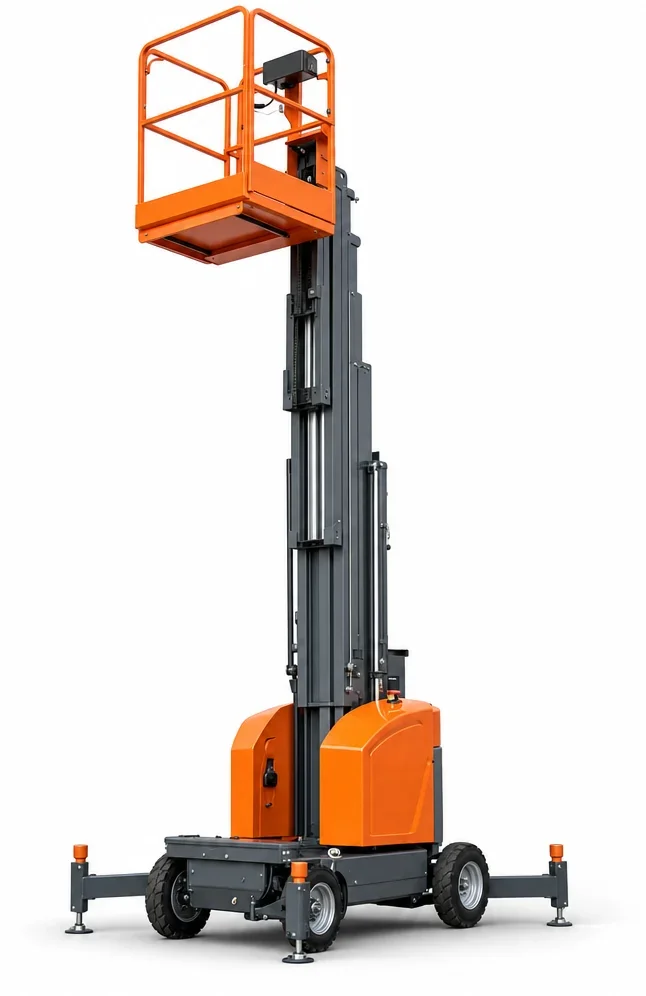
If the machine can sit directly under the task and the path is narrow, a vertical mast is often the most practical choice. It trades large platform area for a slim chassis that threads through doors and between racking or equipment.
Amarillo facility patterns that favor masts
- Narrow pick aisles and tight turns near endcaps
- Maintenance at mezzanine edges where approach space is limited
- Interior atriums with slab floors and strict marking rules
Key constraints to document
- Doorway and aisle width from staging to the work area
- Required platform height directly below the task
- Floor loading limits on elevated slabs or near joints
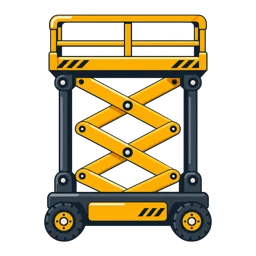
- Turning radius and any need to pivot within reach of the task If you need more platform space for tools or two-person work with materials, compare /electric-scissor-lift-rental/.
Surface and environment
Mast lifts expect smooth slabs. Amarillo’s semi-arid dust can collect on floors; note traction and housekeeping in the route. For exterior or uneven areas, consider /rough-terrain-scissor-lift-rental/ or /boom-lift-rental/ depending on the access pattern.
Safety context for exposed sites
Most mast work is indoors and shielded. If a mast is considered for sheltered outdoor spots, final height and use conditions are set by the selected unit’s instructions and site procedures.