Start with the handling environment
- Inside on polished slab: electric sit-down or stand-up models protect floors and manage narrow aisles
- Mixed dock work: cushion vs. pneumatic tires hinge on ramp grip and yard transitions
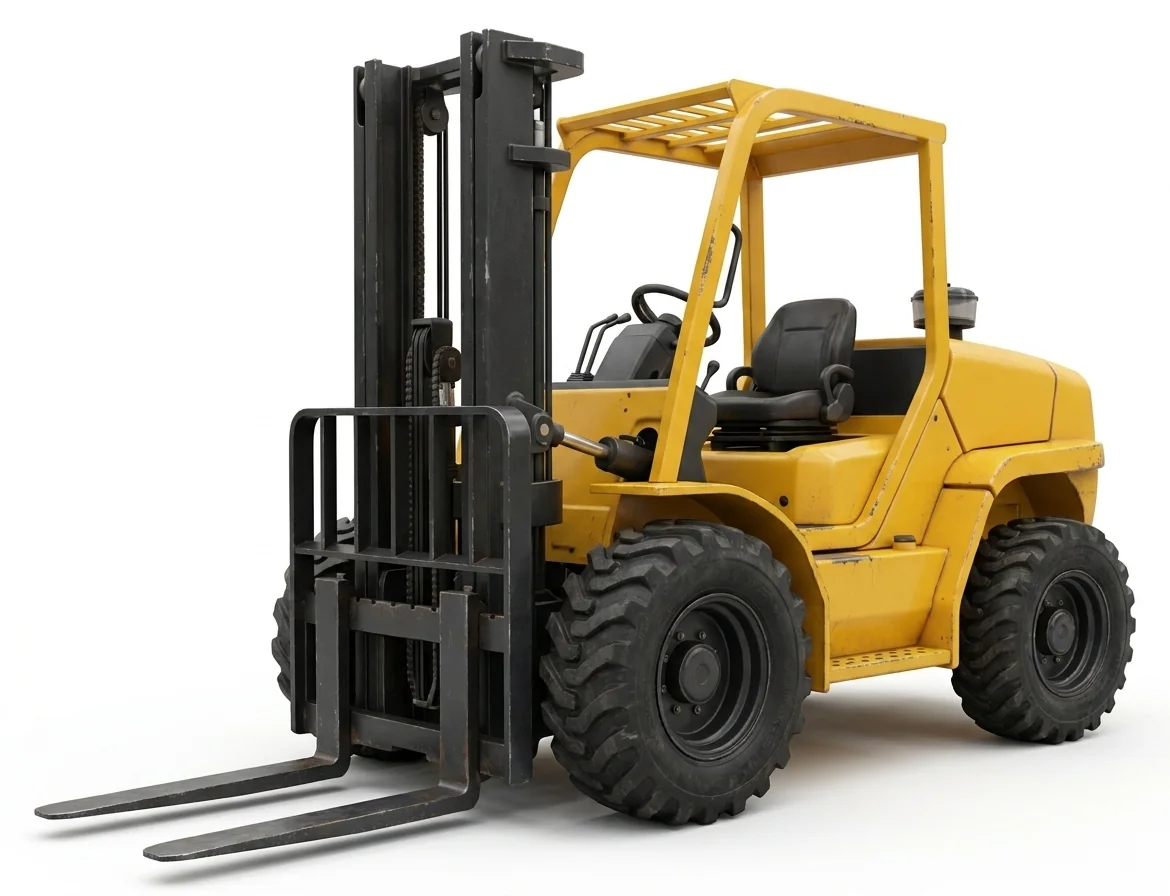
- Outdoor yards: pneumatic-tire lifts or rough-terrain models deal with ruts and fines Aisle width, turning pockets at rack ends, and dock approach angles determine the truck class more than headline capacity.
Amarillo site patterns
Local distribution buildings run long aisles and frequent dock turns, so mast height, collapsed height, and overhead clearance under sprinklers all matter. Yard handling around the city faces open exposure and changing surface firmness; staging near fence lines and laydown areas can be flat but dusty or soft in spots.
Capacity, forks, and mast geometry
- Rated capacity at a given load center vs. real pallet sizes
- Three-stage masts for dock-to-rack range without exceeding overheads
- Side-shift and carriage width choices driven by pallet variety
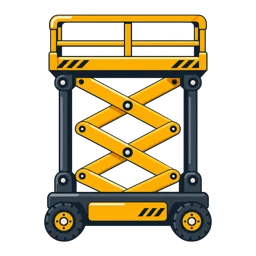
- Battery vs. internal combustion based on ventilation and duty cycle If indoor vertical access is the goal rather than pallet movement, platform equipment may be better; compare /vertical-mast-lift-rental/ or /electric-scissor-lift-rental/.
Access and infrastructure checks
- Door and dock openings, threshold heights, and ramp slope
- Charging or fueling location relative to the work area
- Floor loading near mezzanines and slab joints
- Traffic patterns between receiving, storage, and pick lines
Weather and exposure note
Open-bay doors common in Amarillo can introduce gusts across dock faces. Load handling at height follows the chosen forklift’s instructions and site procedures, especially near dock edges and trailer floors.
Related categories
- Storage during re-slotting: /storage-containers-rental/
- Power for temporary staging: /generators-light-towers-rental/