Start with placement geometry
- Can the delivery truck back straight in, or is there a turn through a narrow gate?
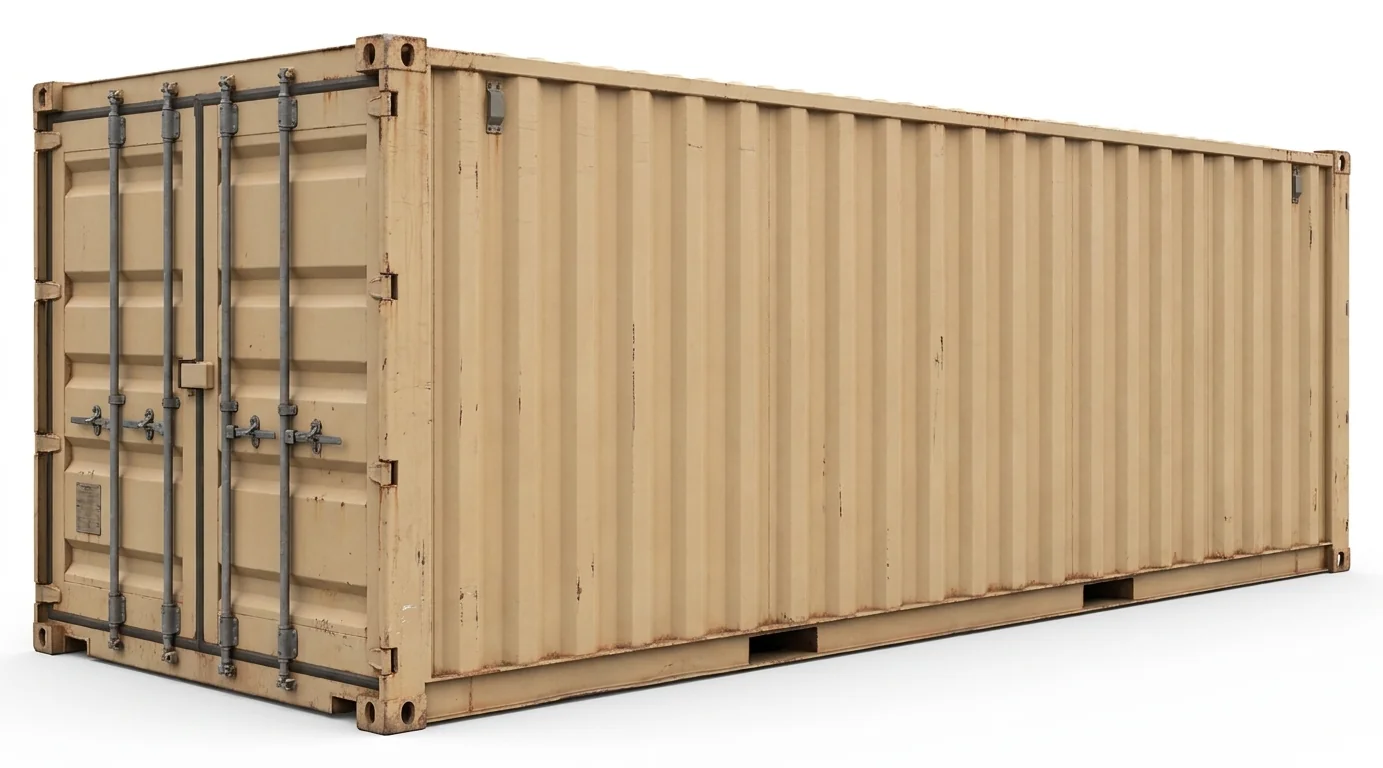
- Is there room to place the container with doors facing the work while keeping lift travel lanes open?
- Does the pad allow level siting across the full length?
Level placement preserves door function. On sloped apron areas, consider whether the container must sit parallel to the grade or perpendicular to align doors with material flow.
Wind and exposure on the High Plains
Sustained winds influence door handling and the stability of stacked materials around container entrances. For elevated job areas served by lifts, keep the container outside swing radiuses and boom lift outreach. Exterior conditions, the selected unit’s instructions for nearby equipment, and site procedures govern safe spacing.
Surface and route
- Paved distribution yards: easy access for standard chassis deliveries.
- Caliche or compacted base: check bearing capacity and any soft spots after rain.
- Curb cuts and dock transitions: confirm clearance for tilt‑bed offload.
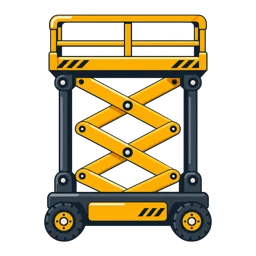
When containers support aerial work platforms, plan staging so /electric-scissor-lift-rental/ units can reach indoor aisles without dead‑ends, and /rough-terrain-scissor-lift-rental/ units can approach exterior elevations without tight turns at the container corners.
Size, door type, and workflow
Match interior length to palletized materials or long stock. Roll‑up doors reduce swing in tight corridors; cargo doors seal better against dust. If tools cycle in and out all day, position near primary access while keeping a safe buffer from boom or telehandler paths; see /telehandler-rental/ and /forklift-rental/ for material movement routes.
Security and environment
Semi‑arid conditions bring dust; consider door orientation relative to prevailing winds and nearby graded soil. For temperature‑sensitive items, shade from adjacent buildings can reduce heat load, while ensuring clearances for ventilation.
Amarillo use cases
Local industrial sites stage containers for welding leads, fasteners, and fall‑protection gear near steel erection zones. Distribution retrofits place smaller units near racking aisles to shorten foot traffic while keeping lanes open for vertical lifts; cross‑reference /vertical-mast-lift-rental/ when aisles are tight.