Direct reach starts at the base position
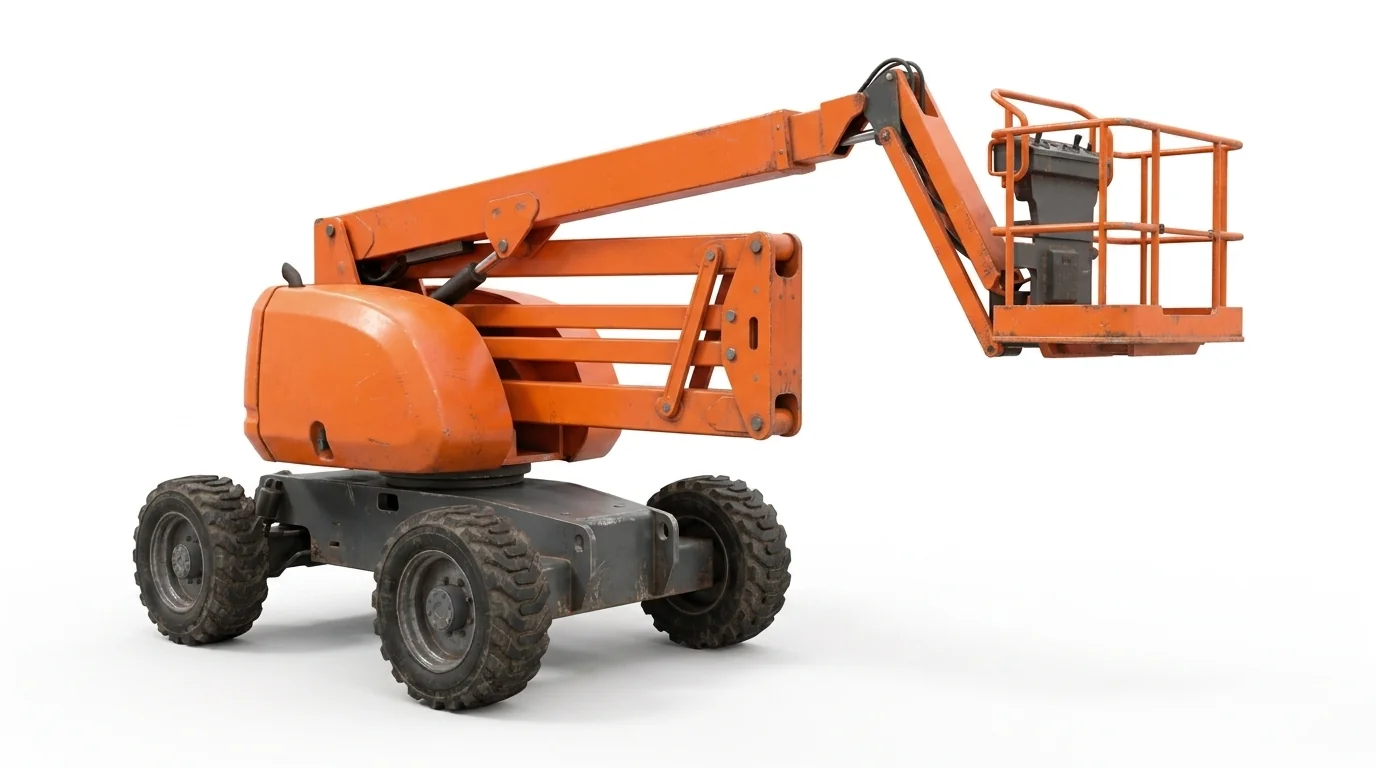
A telescopic boom, often called a straight boom, is commonly compared when the work is high and outward from the practical machine position. It can be a strong category to discuss when the platform has a relatively direct route to the task and there is room to position the machine.
Do not start with a height class. Start with the actual task elevation, the horizontal offset, and the closest place the machine can sit.
Where the straight path helps
Exterior facade work, open industrial yards, structural tasks, and building-perimeter maintenance can create a long line between the base and the work. A telescopic boom may be worth comparing when that line is clear and the site conditions suit the selected unit.
If a building feature, equipment line, roof edge, or other obstruction interrupts the direct path, an articulating boom may be the better category to compare.
Amarillo setup checks
Room to position
A long reach only helps if there is a real setup area. Note the gate width, approach route, turning space, slope, and the distance from the machine position to the work.
Ground and wind
Open Panhandle sites can change quickly with surface conditions and wind. Exterior elevated work should follow the selected unit’s instructions, actual weather, and site procedures. Do not use the phrase “rough terrain” or “outdoor boom” as a substitute for that assessment.
Work-zone coordination
At distribution, manufacturing, and active construction sites, the setup point may interact with truck traffic, material staging, or other operations. Identify the work zone and traffic pattern before selecting a category.
Questions to bring to the reach discussion
How do I estimate horizontal reach?
Measure from the closest practical base position to the point where the platform needs to work. Include any setback created by fencing, curbs, utilities, landscaping, or a building feature.
Are straight booms always better for long jobs?
No. The job duration does not determine the category. The work path, height, offset, surface, and available setup area do.
Can a scissor lift handle this task instead?
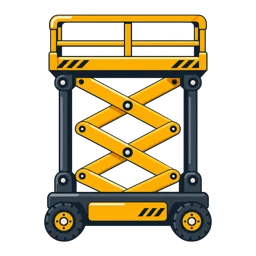
If the machine can sit directly below the work and a vertical platform is sufficient, a scissor lift may be a simpler starting point.